August 26, 2026 · 4 min read
New to reminder calls? Start with these three
The hardest part of a new reminder habit is knowing where to begin. Don't set up twenty at once. Start with these three — they prove the value fast and cover what actually matters.
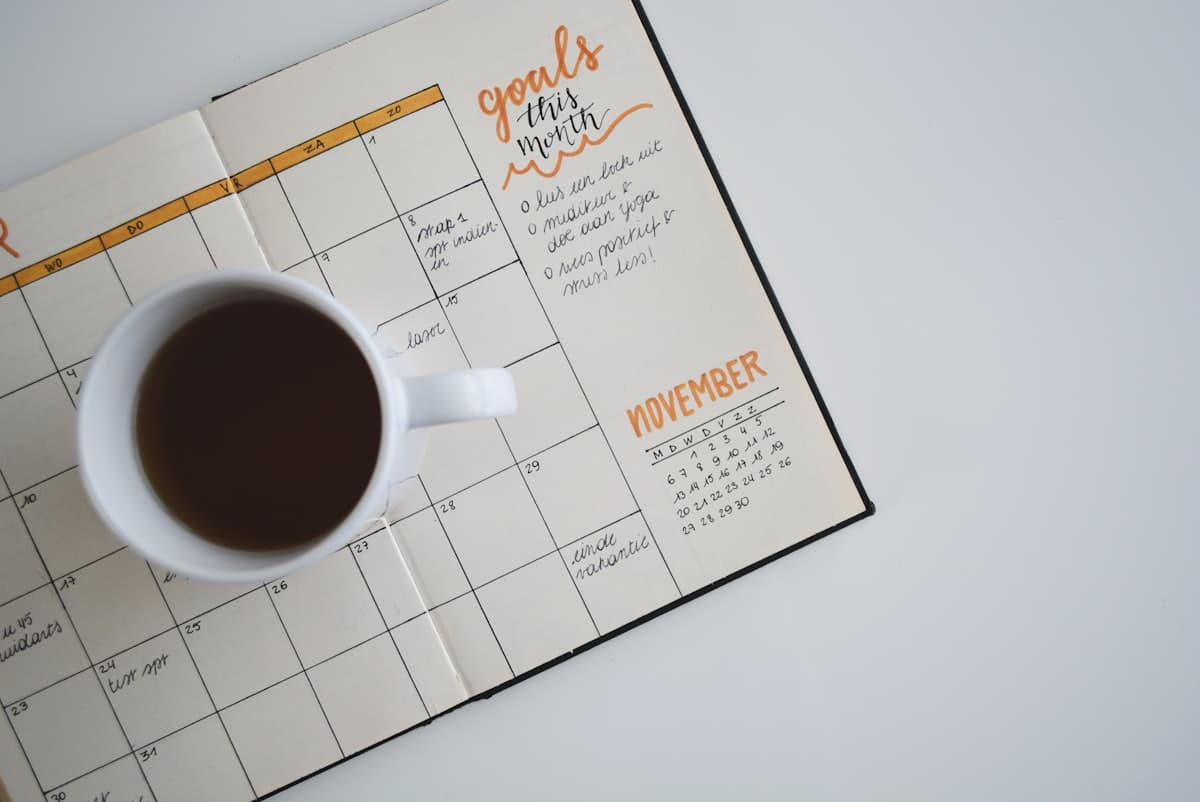
When people first try reminder calls, the usual instinct is to go big — dump every task, errand and vague intention into the system on day one. It feels thorough, and it almost always backfires: twenty calls a day quickly become noise, and the whole thing gets abandoned before it had a chance to help. A far better start is small and deliberate. Set up three well-chosen reminders, let them prove themselves for a week, and expand only once you trust it. Here are the three to begin with, and why each one earns its place.
Start small on purpose
The goal of your first few days isn't coverage — it's trust. You want to learn, from experience, that a call really does arrive at the right time and really does get you to act. That lesson lands far better with three reminders you notice than with twenty you start tuning out.
So resist the urge to be comprehensive. Three is enough to prove the idea and build the habit of actually responding, without any risk of drowning yourself in calls before you've seen the value.
One: the thing that genuinely hurts if you miss it
Your first reminder should be the single task with a real consequence attached — the medication that shouldn't be skipped, the bill with a late fee, the appointment you can't afford to miss. This is your anchor, the one that shows you immediately what a reliable reminder is worth.
Pick the thing you'd most hate to forget this month, and give it a call. When it works — and you feel the small relief of not having to hold it in your head — you'll understand the rest instinctively.
Two: a daily habit you keep meaning to build
The second should be something you want to become automatic but haven't managed to make stick — drinking more water, a short daily walk, winding down at a sensible hour. This one teaches you that reminders aren't only for emergencies; they're scaffolding for the habits you keep promising yourself.
Set it to recur at a time you're reliably free, and let it run. The point isn't to be reminded forever — it's to be nudged consistently enough that, a few weeks in, the behaviour starts happening on its own.
Three: one for someone you care about
The third is optional, but it's often the one that makes the whole thing click: a reminder for someone else. A medication nudge or a gentle check-in for a parent or relative who could use it. Because reminders for another person only start after a quick consent step confirms they're happy to receive them, it begins from their agreement — and then it quietly takes the 'did you remember?' pressure out of your own calls with them.
Even one reminder like this shows you the other half of what the tool is for: not just keeping yourself on track, but helping look after the people you'd otherwise be worrying about.
Set them well, then leave them alone
With your three chosen, spend a moment getting them right: aim each at the time you can actually act, phrase it simply and kindly, and make it recurring if it repeats or one-off if it doesn't. Then — and this is the hard part — stop. Don't add a fourth for a week.
Let these three earn your trust first. Once responding to them feels natural, you'll know exactly how to add the next ones without tipping into overload. Three good reminders you act on will always beat twenty you've learned to ignore. Start there, and grow slowly.
Filed under Making reminders work — browse all topics.
Related articles
Reminders that actually reach you
Text ReminderIt on WhatsApp. At the moment that matters you get the reminder on WhatsApp and as a real phone call. 7 days free, no card.
New to call-based reminders? Read the complete guide to reminders that actually work or see pricing.