June 16, 2026 · 4 min read
Reminders during recovery from a brain injury
After a brain injury, memory and organisation often take a hit — making medication and routines hard to hold. Here's how reminders help.
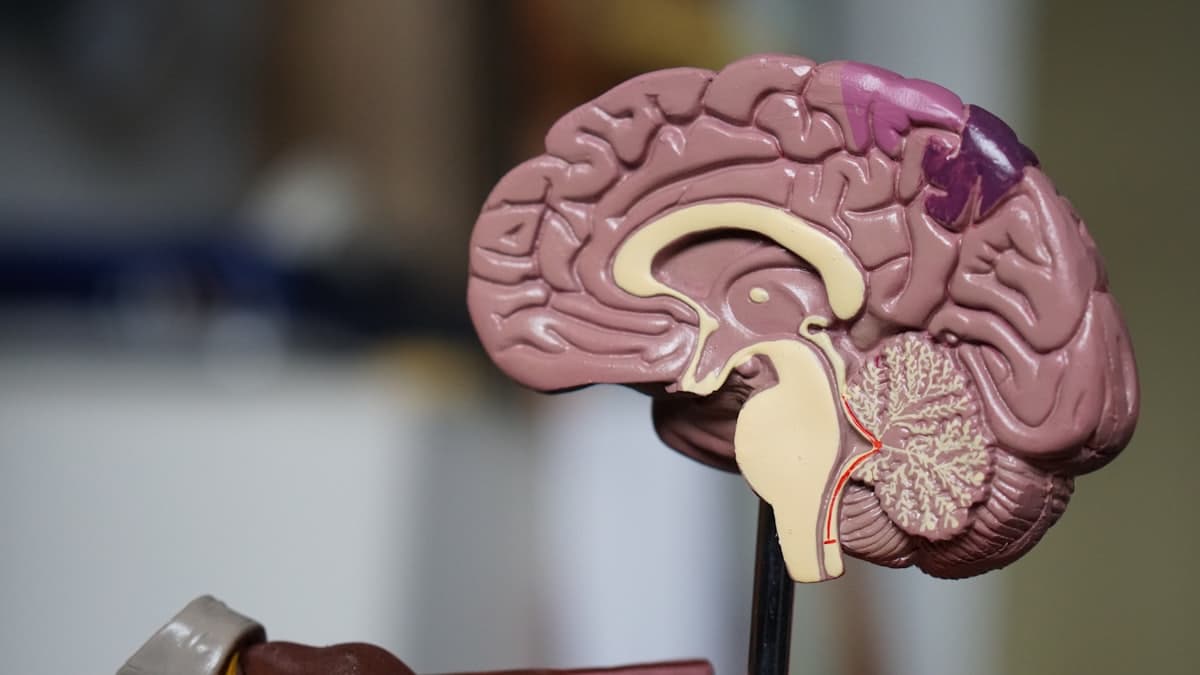
Recovering from a traumatic brain injury can affect the very abilities you rely on to manage daily life — memory, attention, planning, and keeping track of time. Tasks that were once automatic, like taking medication, attending appointments, or following a rehabilitation routine, can become genuinely hard to hold onto. That's frustrating and frightening for the person and worrying for their family. Simple, spoken reminders can provide an external structure that supports recovery, helping someone stay on top of their routine and hold onto independence while they heal.
When the injury affects memory itself
Brain injuries often disrupt the cognitive functions that handle remembering and organising — so the same injury that makes a careful routine necessary can also make following it difficult. Doses get missed, appointments forgotten, rehab exercises skipped, not through any lack of effort but because the tools the brain uses to track them have been affected.
This can be one of the more distressing parts of recovery: knowing what you need to do but struggling to reliably remember to do it. Leaning on external supports rather than damaged internal ones isn't a weakness — it's a sensible adaptation to how recovery actually works.
Why spoken reminders fit
For someone whose memory and attention are affected, a complicated app full of notifications is usually the wrong tool — it adds cognitive load when simplicity is what's needed. A reminder delivered as a phone call, with a clear spoken message, is far more accessible: answering a ringing phone is familiar, and hearing 'it's time to take your medication' is easy to follow with nothing to navigate.
A spoken prompt also doesn't depend on reading or managing a screen, which can be tiring or difficult during recovery. It meets the person simply and clearly, which is exactly what helps when processing and concentration are still healing.
Structure that supports recovery
Reminders can provide the external scaffolding that an injured brain temporarily can't supply on its own: prompts for medication, cues for rehabilitation exercises, reminders for therapy and medical appointments. A family member or rehab team can set them up, and the person simply receives clear calls — no setup or tracking required of them.
That structure supports both the recovery itself, by keeping treatment and rehab consistent, and the person's sense of independence, by helping them manage their own day rather than relying entirely on others to remember for them. It's support that respects their autonomy.
Independence while healing
Recovery from a brain injury is often long, and reminders aren't a substitute for proper medical and rehabilitation care. But as practical support for the everyday routines that recovery depends on, they can make a real difference — keeping medication, exercises, and appointments on track while memory and planning heal.
If you're supporting someone through brain-injury recovery, always work alongside their medical and rehabilitation team on their care plan. For the daily gaps, though, simple spoken reminders can protect both their progress and their dignity as they work to get back to themselves.
Put it to work
More articles
Reminders that actually reach you
A real phone call at the moment that matters — with a WhatsApp message if you miss it.
Get started freeNew to call-based reminders? Read the complete guide to reminders that actually work.