June 26, 2026 · 5 min read
Reminders for Taking Anticoagulants: Warfarin, Rivaroxaban, and Apixaban
Missing an anticoagulant dose can have serious consequences. A phone-call reminder removes the reliance on memory for medication that cannot be skipped.
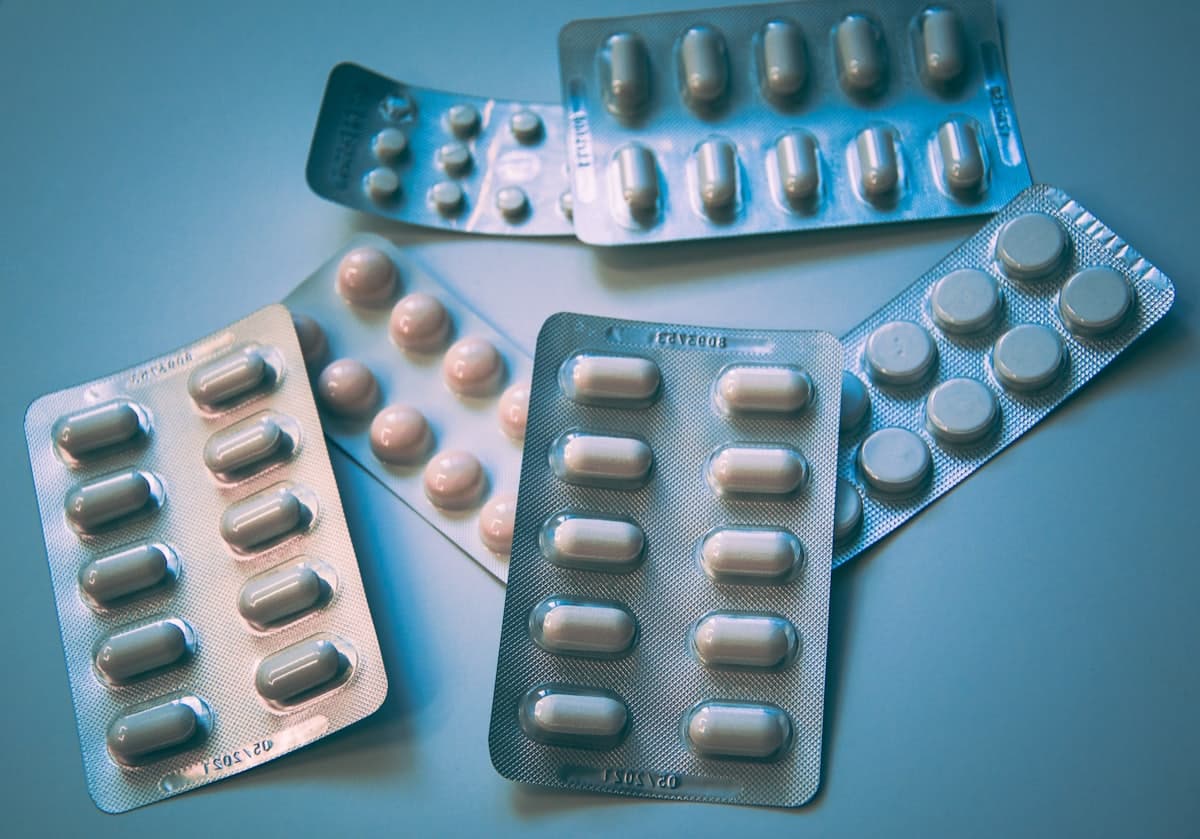
Anticoagulant medications — including warfarin (Coumadin), rivaroxaban (Xarelto), apixaban (Eliquis), and edoxaban (Lixiana) — are among the most important medications to take consistently. They prevent blood clots and strokes in people with atrial fibrillation, deep vein thrombosis, pulmonary embolism, and mechanical heart valves. Missing doses, or taking them at inconsistent times, reduces protection and increases risk of the very events the medication is preventing.
Why Anticoagulant Timing Matters
Warfarin has a long half-life and its effects are monitored via INR testing, but consistency of dosing — same time each day — is important to maintain stable INR levels. Missed doses can cause the INR to drop, reducing anticoagulation and increasing clot risk; double doses (taken to compensate for a missed one) can push the INR dangerously high, increasing bleeding risk.
Direct oral anticoagulants (DOACs) like rivaroxaban and apixaban have shorter half-lives. Rivaroxaban, taken once daily with the evening meal, loses significant effectiveness within 24 hours of a missed dose. Apixaban, taken twice daily, requires even more precise timing. Missing a dose leaves the patient inadequately protected.
Unlike some medications where occasional misses have minimal clinical consequence, anticoagulants work by maintaining a continuous protective state. Gaps in that state are when adverse events occur.
Common Reasons Doses Are Missed
Anticoagulants are often prescribed to older adults managing multiple medications simultaneously. Polypharmacy — taking five or more medications — dramatically increases the likelihood of missed doses, as the cognitive load of tracking multiple schedules outstrips reliable memory.
Travel disrupts routine: time zone changes, unfamiliar environments, and the general disruption of being away from home all increase the risk of dose omission. A patient who reliably takes rivaroxaban with dinner at 7 PM at home may lose track of that anchor when travelling.
Busy or disrupted days — illness, hospital visits, social commitments that push mealtimes — are when the evening dose most often slips. By the time the person remembers, they're unsure whether they took it or not, and the decision to skip or double-dose is made with insufficient information.
Setting Up Anticoagulant Reminders with ReminderIt
A phone call at the exact time the medication should be taken — 'Time for your rivaroxaban — take with your evening meal' — creates a reliable external anchor that doesn't depend on memory or routine. Even when travel or illness disrupts other habits, the call arrives at the correct local time. A WhatsApp message arrives at the same moment with Done and Snooze buttons; if you miss the call, ReminderIt tries once more about five minutes later.
To set it up, message ReminderIt on WhatsApp at +1 478-606-1901 in plain words: "Remind me to take my rivaroxaban with dinner at 7pm every day." No app, no form.
For twice-daily medications like apixaban, two daily calls can be set — morning and evening — each with a message naming the medication. For warfarin patients awaiting INR results, a prompt to check whether the dose needs adjusting before taking it can also be incorporated. Always follow your doctor's or clinic's instructions on dosing and what to do after a missed dose.
Carers can also remind a loved one: they accept once, then the reminders reach their phone, and you can get an alert if they miss a call. There's a 7-day free trial, no card needed.
Put it to work
Filed under Medication reminders — browse all topics.
Related articles
Reminders that actually reach you
Text ReminderIt on WhatsApp. At the moment that matters you get the reminder on WhatsApp and as a real phone call. 7 days free, no card.
New to call-based reminders? Read the complete guide to reminders that actually work or see pricing.