June 26, 2026 · 4 min read
Reminders for People With Memory Difficulties: Phone Calls That Prompt Without Pressure
For people with memory difficulties, a phone call reminder requires nothing but answering — no app to check, no calendar to remember, no notification to notice.
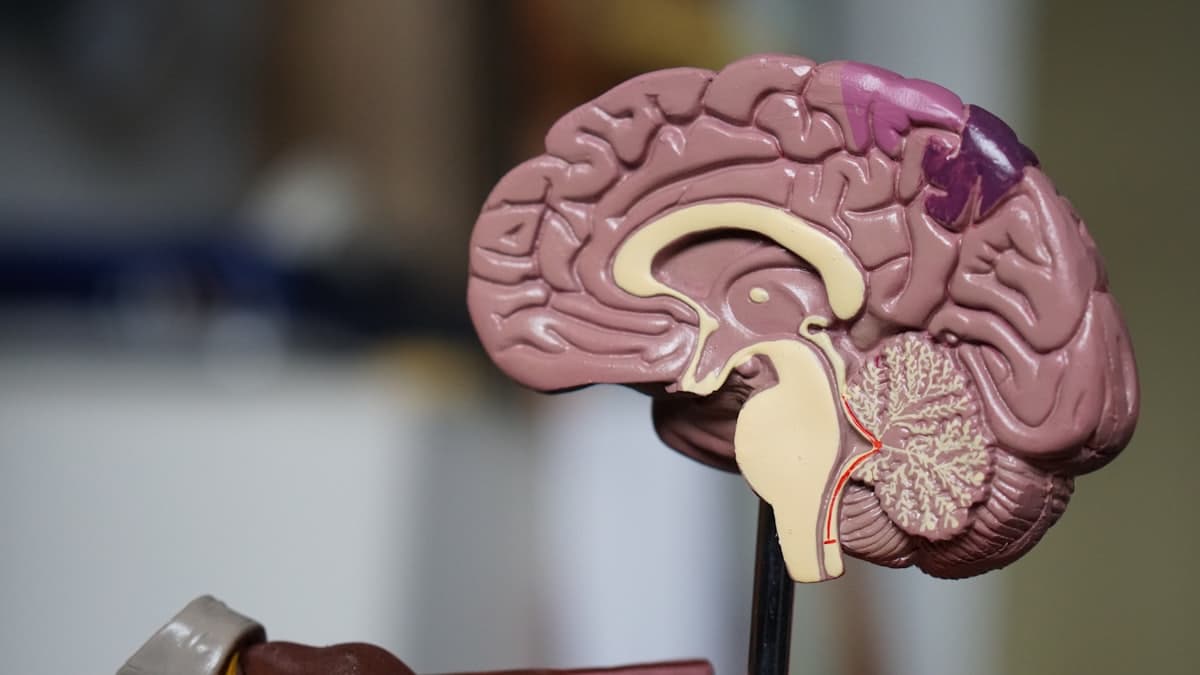
Memory difficulties — whether from early-stage dementia, acquired brain injury, stroke, or other cognitive conditions — affect the ability to reliably check and act on conventional reminders. A sticky note requires remembering to look at it. A calendar requires remembering to check it. An app notification requires the phone to be in hand and the notification to be seen. A phone call requires none of these: it rings, you answer, you hear what you need to do. The call is both the prompt and the delivery mechanism.
Why phone calls work better for memory difficulties
The phone ringing is a familiar, compelling signal that doesn't require any prior context to respond to. Even people with significant memory difficulties typically respond to a ringing phone — it's a deeply ingrained social behaviour. Answering the call and hearing a warm voice read a clear instruction ('Good morning — it's 9 o'clock. Time to take your morning tablets from the blue box on the kitchen table') is far more accessible than navigating a reminder app or reading a written note.
Phone calls also create a two-way interaction that supports engagement: the person answers, hears the instruction, and can press 1 to confirm or 9 to snooze. The act of pressing a key in response to the prompt reinforces the action — more so than passive receipt of a notification.
What to include in reminder messages
For people with memory difficulties, specificity and location cues are crucial. Not 'take your medication' but 'take the two tablets from the blue pill box on the kitchen windowsill — the morning slot marked M.' Not 'lunch reminder' but 'it's lunchtime — there's a sandwich in the fridge. Eat at the kitchen table.'
Include orientation information for morning calls: 'Good morning — it's Thursday, 9 o'clock. Today is [day of the week].' For people with early-stage dementia, a brief orientation cue at the start of the morning call supports day-to-day orientation and reduces confusion.
Setting up reminders for a family member
A family member or carer creates the reminders through reminderit.com — not the person with memory difficulties. Enter the recipient's phone number (mobile or landline), the scheduled times, and the specific messages. ReminderIt makes the calls; the person with memory difficulties just needs to answer.
For complex care schedules — morning and evening medications, meals, hydration reminders, physiotherapy exercises — multiple reminders throughout the day can be configured from a single account. The call log shows whether each call was answered, giving the carer or family member visibility into the person's day without requiring a manual check-in for every reminder.
Put it to work
Filed under Health & appointments — browse all topics.
Related articles
Reminders that actually reach you
Text ReminderIt on WhatsApp. At the moment that matters you get the reminder on WhatsApp and as a real phone call. 7 days free, no card.
New to call-based reminders? Read the complete guide to reminders that actually work or see pricing.