June 26, 2026 · 5 min read
Reminders for Managing Type 2 Diabetes: Blood Sugar Checks and Medication
Type 2 diabetes management is daily and unforgiving. Consistent blood sugar checks and on-time medication depend on a reliable reminder system.
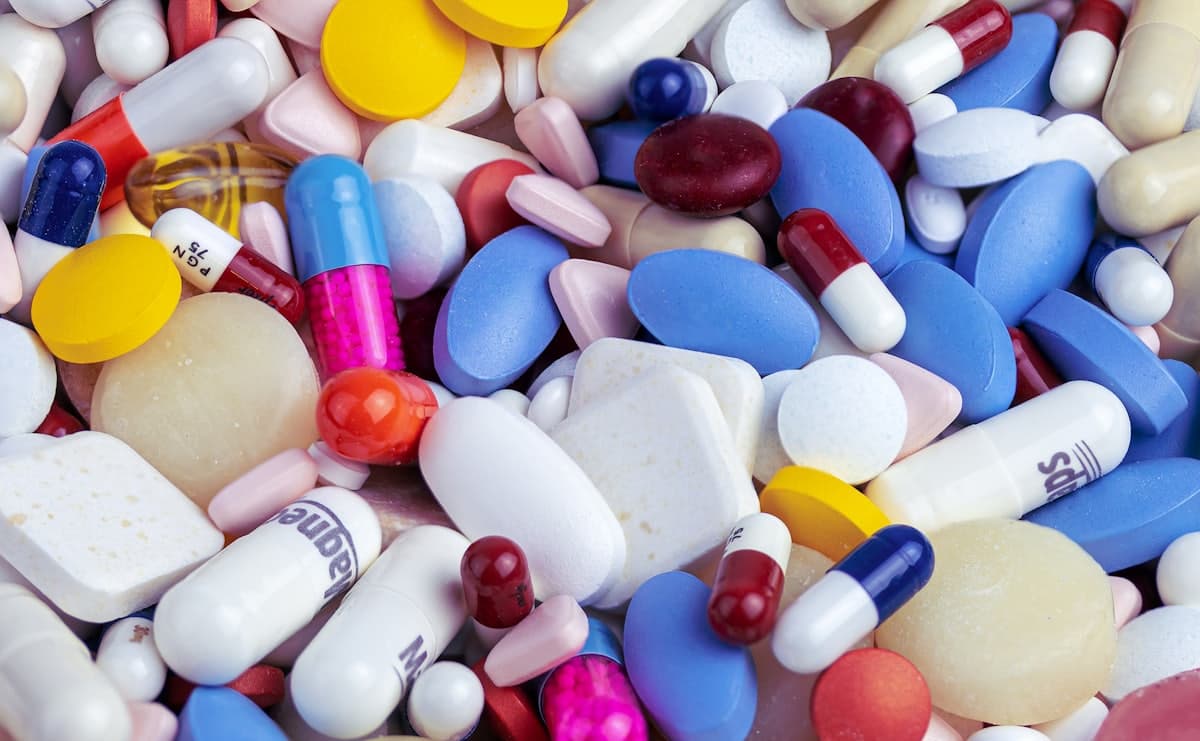
Type 2 diabetes management requires consistent daily action across multiple domains: blood glucose monitoring, medication or insulin timing, dietary choices, and physical activity. The challenge is that these actions must continue indefinitely, through busy days, illness, travel, and the gradual fatigue that long-term condition management produces. Phone-call reminders provide the consistent external structure that keeps the routine intact when internal motivation fluctuates.
Blood Glucose Monitoring Reminders
The frequency of blood glucose monitoring in type 2 diabetes varies by treatment type. Those on insulin or sulfonylureas may need to check fasting glucose, pre-meal, and two hours post-meal. Those on metformin alone may check less frequently, but monitoring remains important during illness, medication changes, or when hypoglycaemic symptoms are present.
The most commonly missed check is the post-meal reading — typically two hours after eating, when people are absorbed in other activities and forget to return to the glucose monitor. A reminder call two hours after a set meal time — 'Two-hour post-meal blood glucose check — test now and record the result' — catches this window reliably.
Fasting glucose checks (before breakfast, before any food or drink) require a reminder that arrives before the person reaches the kitchen. A call at 7:30 AM — 'Fasting glucose check before breakfast — test now' — creates the habit of testing before eating rather than after.
Medication and Insulin Timing
Metformin is typically taken with or after meals to reduce gastrointestinal side effects — breakfast and dinner for twice-daily dosing. Missing the meal-linked reminder because the meal was rushed or taken at an unusual time is a common adherence gap.
GLP-1 agonists (semaglutide, dulaglutide) are weekly injections with a fixed day schedule. Missing an injection allows HbA1c to drift; taking it on a different day each week creates irregular drug levels.
For those on basal insulin (glargine, detemir), a consistent injection time each day is clinically important — injecting at a significantly different time on different days affects the 24-hour coverage profile.
A call at each medication window, named specifically ('Time for your lunchtime metformin with your meal' or 'Today is your Ozempic injection day'), removes reliance on memory for medications that have real consequences when missed.
Activity and Dietary Timing Reminders
Post-meal walking (10–20 minutes after eating) is one of the most evidence-supported interventions for post-meal blood glucose management in type 2 diabetes. It requires a reminder that fires 10 minutes after the estimated end of a meal — easy to set as a recurring daily prompt.
Hydration reminders are relevant for people on SGLT2 inhibitors (dapagliflozin, empagliflozin), which increase urinary glucose excretion and dehydration risk. A midday hydration call ('Check your fluid intake — SGLT2 medication increases dehydration risk') addresses this directly.
Set up your complete type 2 diabetes reminder schedule at reminderit.com — blood checks, medication windows, activity prompts, and hydration calls all managed from one account.
Put it to work
Filed under Health & appointments — browse all topics.
Related articles
Reminders that actually reach you
Text ReminderIt on WhatsApp. At the moment that matters you get the reminder on WhatsApp and as a real phone call. 7 days free, no card.
New to call-based reminders? Read the complete guide to reminders that actually work or see pricing.