June 25, 2026 · 4 min read
Reminders for managing high cholesterol through daily lifestyle habits
Lifestyle management of high cholesterol depends on daily habits: diet consistency, regular exercise, medication timing. A reminder system keeps the routine on track when motivation dips.
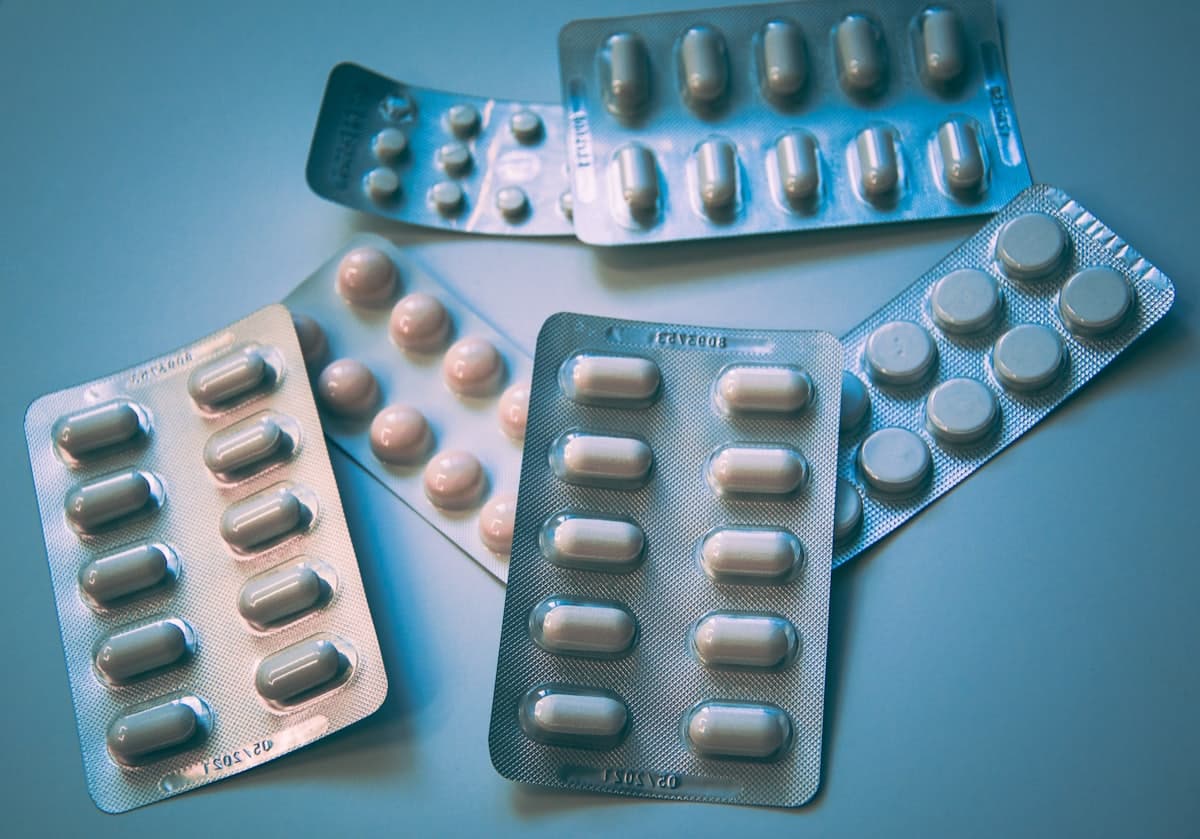
High cholesterol is one of those conditions where the treatment — lifestyle change and, for many people, medication — requires consistent daily action over months and years. The risk of high LDL cholesterol is cardiovascular, and it's silent: there are no symptoms until something goes wrong. That means the motivation to maintain cholesterol-lowering habits is entirely abstract, which makes it hard to sustain without structure. A reminder system doesn't make the habits easier, but it makes them more likely to happen consistently. Always follow the guidance of your doctor or cardiologist for cholesterol management decisions.
The daily habits that lower LDL cholesterol
Diet is the primary lifestyle lever: reducing saturated fat, increasing soluble fibre (oats, pulses, vegetables), adding plant sterols (available in fortified foods), and increasing omega-3 intake through oily fish or supplements. These aren't one-time changes; they're daily food choices that compound over months. A reminder before meals — 'Lunch — aim for a fibre source today (beans, oats, vegetables)' — makes the choice active rather than passive.
Exercise, specifically 150 minutes of moderate aerobic activity per week, raises HDL cholesterol (the protective type) and reduces triglycerides. A reminder on exercise days — 'Cardio today — 30 minutes counts' — supports the consistency that produces lipid changes. Effects on cholesterol from exercise typically appear over 8–12 weeks of consistent activity.
Medication reminders for statin users
If statins have been prescribed, consistent timing matters — most statins work best taken in the evening, and missing doses disrupts their effect. A reminder at 9 PM ('Evening statin — take with water') is separate from the lifestyle reminders and should be prioritised above them.
Some people experience muscle aches as a statin side effect, particularly in the first few weeks. A reminder to 'Note any muscle discomfort this week and mention at next GP review' helps track symptoms systematically rather than trying to remember in a 10-minute appointment. Always discuss any side effects with your prescribing doctor before making any changes.
Monitoring and review reminders
Cholesterol is monitored through a blood test — typically at 3 months after starting treatment, then 6–12 monthly once stable. Set a reminder to book the review blood test a month before it's due, giving time to get a GP appointment and receive results before the next review.
The blood test result is most useful when compared to previous values, so note your most recent reading in the reminder message for your next appointment: 'Cholesterol review due — last LDL was 4.2 mmol/L.' Turning up with that context makes the appointment more productive.
Put it to work
More articles
Reminders that actually reach you
A real phone call at the moment that matters — with a WhatsApp message if you miss it.
Get started freeNew to call-based reminders? Read the complete guide to reminders that actually work.