June 26, 2026 · 6 min read
Reminders and Safety Checks for Elderly People Living Alone
1 in 3 adults over 65 lives alone. Scheduled call reminders for medication, daily check-ins, and safety routines help elderly people stay independent longer.
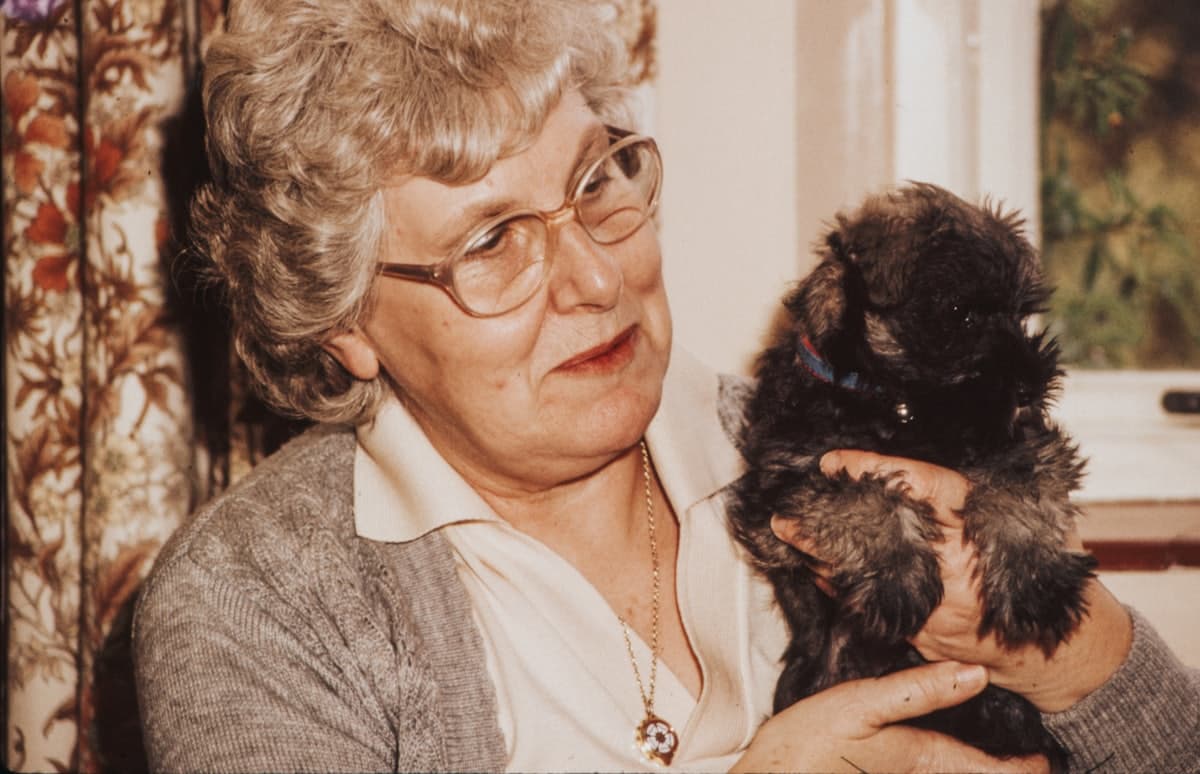
Around a third of adults over 65 live alone, and this proportion increases with age. Living independently is the preference for most older adults — and it's achievable with the right support systems. Scheduled phone call reminders provide one of the most practical and low-cost support layers: medication reminders that actually reach the person, daily welfare check-ins that provide reassurance to both the older adult and their family, and routine prompts that maintain the structure that supports independent living.
Daily Welfare Check-In Calls
A daily morning call to an elderly person living alone serves several purposes simultaneously: it confirms they're well, it provides human contact at a predictable time, and it creates a monitoring layer that alerts family if something is wrong.
Set a morning call at a consistent time — say, 9am — with a simple message: 'Good morning — this is your morning check-in. Have a good day.' If the call goes unanswered, this can trigger an alert to the family member who set up the account, prompting them to call directly or ask a neighbour to check in.
For elderly people who are less confident with technology, the simplicity of receiving a call is a significant advantage. They don't need to download anything, learn a new interface, or remember to log into a system. They just answer the phone — something they already know how to do.
Medication Reminders on Landlines
Many elderly people, particularly those over 75, use a landline as their primary or only phone. Standard smartphone reminder apps don't reach landlines. ReminderIt calls any phone number — mobile or landline — making it compatible with whatever communication setup the elderly person already uses.
Set medication reminders for each dosing time. A morning call at 8am for morning tablets, an evening call at 8pm for evening doses. The spoken message can be specific: 'Time for your morning tablets — the ones in Monday's box.'
For people managing complex medication schedules, the specificity of the spoken message provides guidance as well as prompting. 'Take your blood pressure tablet and your vitamin D now — the blue ones and the yellow ones' reduces the risk of taking the wrong medication.
Falls Prevention Reminders
Falls are the leading cause of injury-related hospital admissions for people over 65 and a significant factor in loss of independence. Many falls are preventable through simple daily practices: wearing appropriate footwear, moving carefully in the morning when joints are stiff, using grab rails, and keeping pathways clear.
A morning reminder — 'Good morning. Take your time getting up — stand slowly and hold the rail' — prompts the careful movement that prevents the early-morning rush that precedes many falls. This is particularly important for people taking blood pressure medication, which can cause dizziness on standing.
Weekly reminders to perform simple home safety checks — 'Check that your bathroom mat is flat and the kettle cord is tucked away' — keep the living environment safe without requiring a family member to visit for each check.
Supporting Independence Through Routine
Structure and routine support cognitive health in older adults. Consistent mealtimes, regular activity, and predictable daily patterns all contribute to wellbeing and reduce cognitive decline. Scheduled reminder calls provide this structure externally when the internal motivation to maintain routine is reduced by health challenges or low mood.
Set reminders for meals, for a daily walk, for social calls to family, and for any activities — a weekly bingo session, a church group, a regular visitor. These external prompts maintain engagement with the world that isolation gradually erodes.
Family members can set up a full daily reminder schedule for an elderly relative from their own device, without the relative needing to do anything technical. The calls go to the relative's phone; the family member manages the schedule. This division — family member manages the system, older adult simply receives calls — makes the service accessible to people who aren't comfortable with technology.
Put it to work
Filed under Caring for parents — browse all topics.
Related articles
Reminders that actually reach you
Text ReminderIt on WhatsApp. At the moment that matters you get the reminder on WhatsApp and as a real phone call. 7 days free, no card.
New to call-based reminders? Read the complete guide to reminders that actually work or see pricing.