June 26, 2026 · 5 min read
Reminder Call Service for Isolated Elderly Living at Home
For elderly people living alone, a daily reminder call is both a practical support tool and a welfare check in one. It takes minutes to set up.
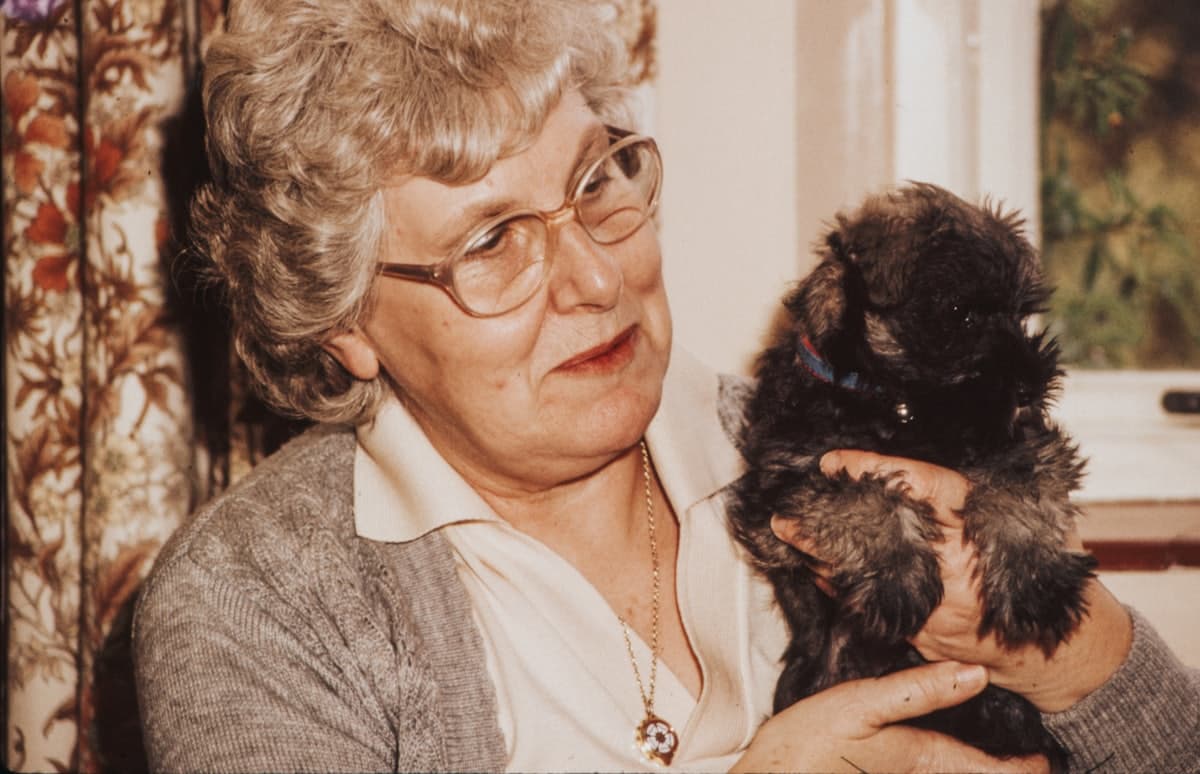
Social isolation among older adults living independently is a significant public health concern, linked to faster cognitive decline, worse physical health outcomes, and increased risk of undetected medical emergencies. Practical isolation — not knowing who to call, not having someone to remind you to take medication or eat — compounds the social dimension. A scheduled reminder call service addresses both: providing daily practical prompts and a regular touchpoint that signals all is well, or prompts a welfare check when calls go unanswered.
The Daily Management Challenges of Living Alone
Older adults living independently manage multiple medications, often with complex schedules. Without a partner or family member physically present to prompt medication taking, doses are easily missed — particularly when cognitive decline or low mood reduces initiative.
Mealtimes are another vulnerability. Cooking for one feels low-reward for many older adults, leading to reduced meal frequency and poor nutritional intake. A lunchtime call — 'Time to eat lunch — have you eaten this morning?' — provides a social prompt that can make the difference between a meal prepared and a meal skipped.
Hydration is a particular risk in older adults, whose thirst perception is reduced. Dehydration is one of the most common causes of confusion and hospitalisation in the elderly population, yet is largely preventable with consistent daily water intake prompts.
Reminder Calls as Welfare Checks
A daily reminder call that the person answers provides an implicit welfare check: if the call is answered, the person is up, responsive, and functioning. If it goes unanswered — particularly across multiple calls — the pattern provides an early signal that a physical welfare check may be needed.
For family members managing care at a distance — adult children living in a different city, family abroad — this implicit monitoring provides peace of mind without requiring constant direct contact. The reminder call is the scheduled interaction; failure to engage with it is the alert.
Unlike smart home monitoring systems (which track movement, require installation, and can feel intrusive), a phone call is a familiar, non-surveillance interaction that most older adults accept readily.
Setting Up a Remote Care Reminder Schedule
At reminderit.com, family members can set up a full daily schedule of calls for an elderly relative: morning medication, midday meal check, afternoon hydration, and evening wind-down. Each call plays a spoken message in clear, simple language — no apps required on the recipient's end, no smartphone needed. A standard landline works.
If the person doesn't answer, the missed call is visible on the phone and the family member can follow up directly. Multiple family members can coordinate reminder ownership through a shared account.
Free to start. No contract. No technology learning curve for the recipient — just a phone that rings, and a familiar voice saying something helpful.
Put it to work
Filed under Caring for parents — browse all topics.
Related articles
Reminders that actually reach you
Text ReminderIt on WhatsApp. At the moment that matters you get the reminder on WhatsApp and as a real phone call. 7 days free, no card.
New to call-based reminders? Read the complete guide to reminders that actually work or see pricing.