June 26, 2026 · 6 min read
Reminder Call Service for People with Dementia: Supporting Daily Routines
Dementia disrupts memory for daily tasks but preserves the ability to respond to a phone call. Scheduled reminder calls provide routine structure that a written note cannot.
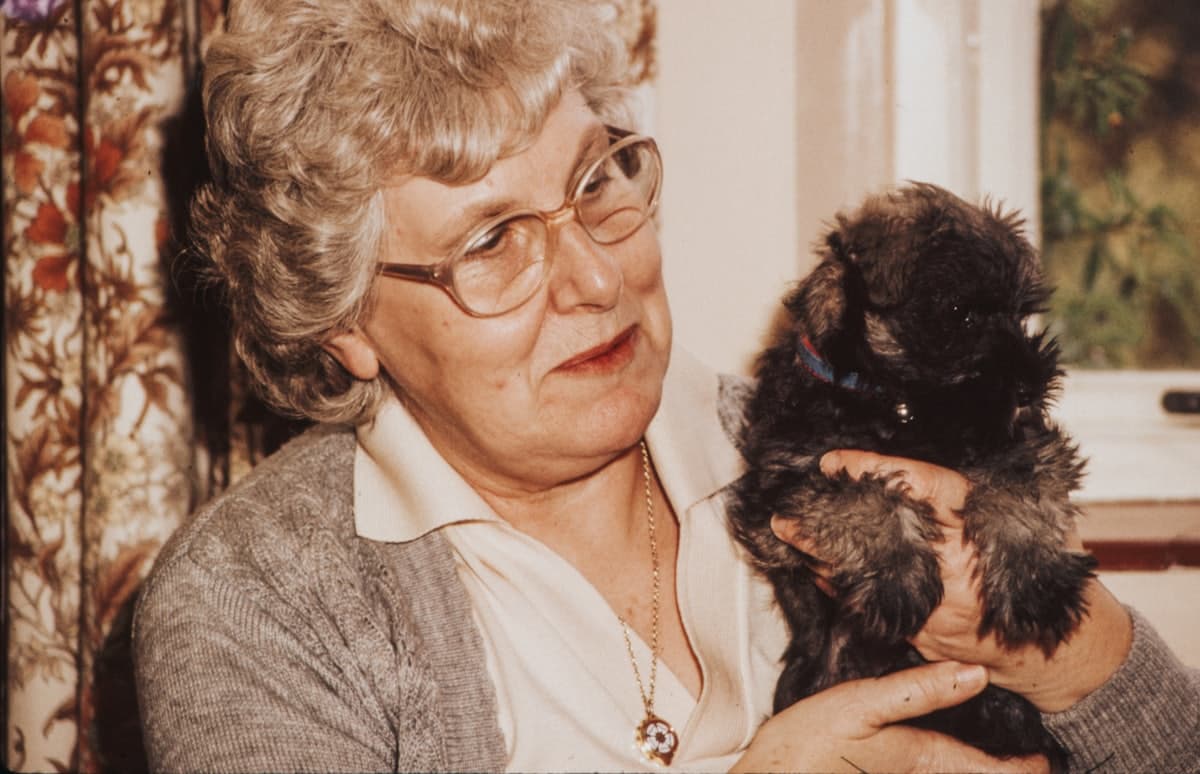
Dementia progressively affects memory for recent events and daily tasks — medication times, meals, appointments, and safety routines are among the earliest casualties. At the same time, many people in early-to-moderate dementia retain strong long-term memories, recognise familiar voices, and can respond normally to a phone call. Scheduled reminder calls work with these preserved abilities to provide the daily structure that dementia erodes.
How Phone Calls Work Differently for Dementia
Written reminders — notes, whiteboards, calendars — rely on the person noticing and reading them. For someone with dementia, the note is often not noticed, is noticed but not processed as relevant, or is processed but immediately forgotten. The reminder fails because it depends on the person initiating engagement with it.
A phone call reverses this dynamic. The phone rings; the person answers. They don't need to notice or seek out the reminder — it comes to them and demands response. For people who retain the social reflex of answering a telephone (a deeply ingrained behaviour from decades of habit), call reminders are significantly more reliable than passive visual prompts.
The spoken message is processed differently from written text, engaging the auditory memory systems that are often better preserved in early dementia than visual-spatial memory. A familiar message — 'Good morning, time to take your morning tablets — the ones in Monday's box' — can be processed and acted on even when reading the same information would fail.
Medication Reminders
Medication management is one of the earliest and most significant challenges in dementia. Missing doses, double-dosing, and taking the wrong medication are common and potentially serious. Cholinesterase inhibitors used to treat dementia (donepezil, rivastigmine, galantamine) must be taken consistently to maintain effect.
Set a daily call at medication time with a specific, simple message: 'Time for your morning tablets, Margaret. The blue ones in the Monday compartment. Have a glass of water ready.' Simplicity and specificity both matter — the instruction should require minimal working memory to follow.
For carers managing medication for a person with dementia, ReminderIt calls can complement pill organisers and blister packs. The call prompts action; the pre-prepared organiser reduces the cognitive load of identifying and retrieving the correct tablets.
Meal and Hydration Reminders
People with dementia frequently forget to eat and drink, leading to malnutrition and dehydration that worsen cognitive symptoms and overall health. Regular meal and fluid reminders are an important part of dementia care.
Set meal-time calls for breakfast, lunch, and dinner. A simple message — 'It's lunchtime now — there's food in the kitchen for you' — provides both the time cue and the action instruction. For people who may not remember whether they've eaten, the call re-establishes the routine rather than leaving it to self-monitoring.
Mid-morning and mid-afternoon hydration reminders — 'Time for a glass of water or a cup of tea' — address the common pattern of inadequate fluid intake in people with dementia who don't register thirst reliably.
Family and Carer Peace of Mind
Scheduled reminder calls provide a welfare monitoring layer that gives family members confidence that routine care is happening. If a call goes unanswered, the account holder receives an alert, prompting a direct call or a visit.
The calls also give families a way to provide structured support without being physically present for every routine. A daughter who can't visit her mother daily can set up medication, meal, and check-in calls that maintain her mother's routine throughout the day.
As dementia progresses, the appropriateness of reminder calls changes — in later stages, the person may not be able to act on the calls or may find them confusing. Families should reassess the approach as the condition progresses, with calls remaining useful during early-to-moderate stages and supplemented by in-person care as the condition advances.
Put it to work
Filed under Caring for parents — browse all topics.
Related articles
Reminders that actually reach you
Text ReminderIt on WhatsApp. At the moment that matters you get the reminder on WhatsApp and as a real phone call. 7 days free, no card.
New to call-based reminders? Read the complete guide to reminders that actually work or see pricing.