June 25, 2026 · 4 min read
Phone Call Alarm vs Smart Alarm Clock: Which Actually Wakes You Up?
Smart alarm clocks optimise when you wake. Phone call alarms ensure you actually wake up. Here's the difference — and when you need the guarantee rather than the optimisation.
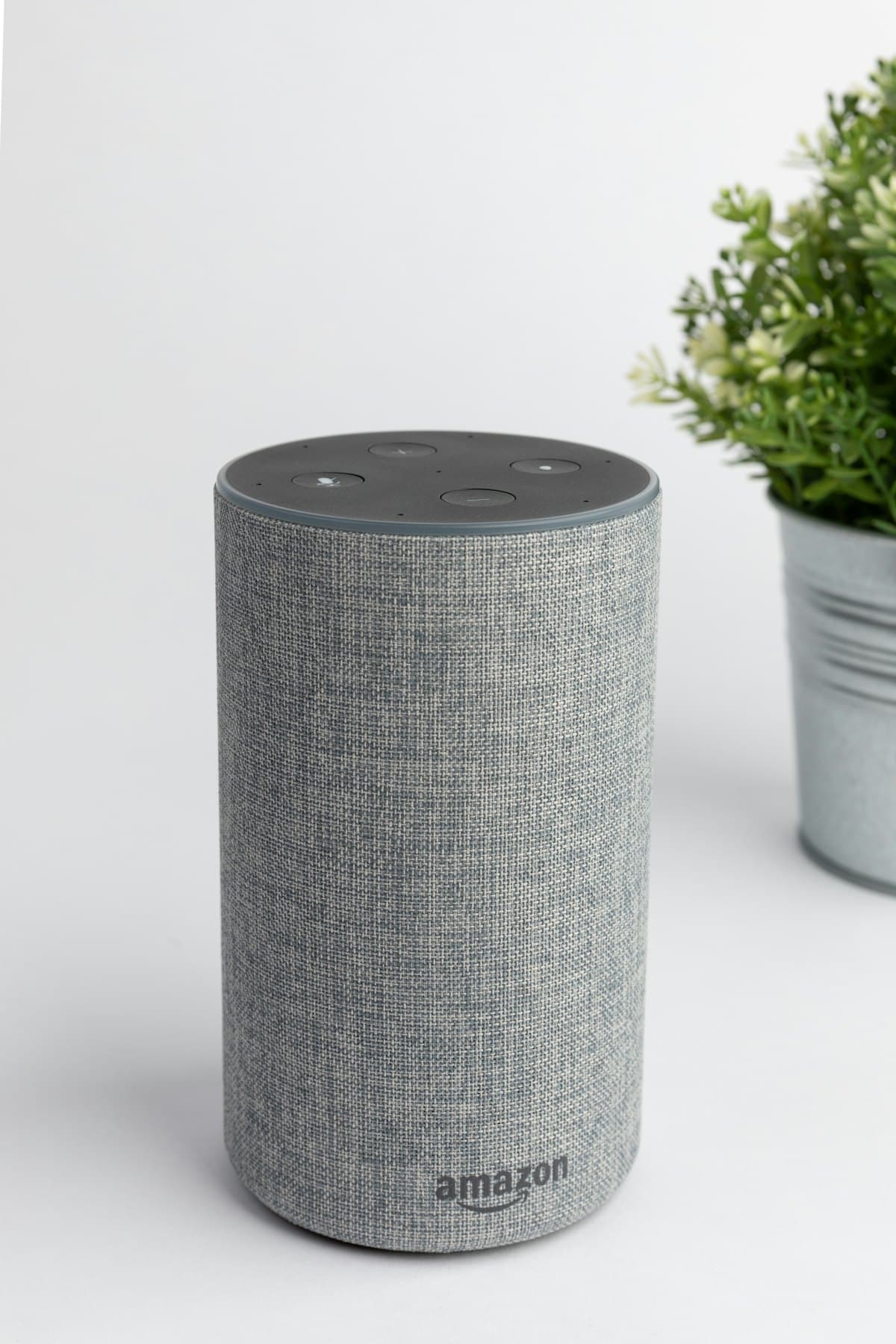
The alarm clock market has fragmented into two philosophies: optimisation and guarantee. Smart alarm clocks (Fitbit, Withings, sleep-tracking apps) try to wake you at the lightest point of your sleep cycle, making waking feel natural. Phone call alarms (like ReminderIt) guarantee you wake up regardless of sleep stage. These serve different needs — understanding which you need is the key to never being late for something important again.
How smart alarm clocks work
Smart alarm clocks use motion sensors (wristband actigraphy), heart rate variability, or sound detection to estimate your sleep stage. When you set a smart alarm for 7am with a 30-minute wake window, the device monitors for signs of light sleep between 6:30am and 7am and wakes you at the earliest point within that window when you're closest to waking naturally. The result, when it works well, is waking feeling more refreshed than when pulled from deep sleep.
The limitation: smart alarms can be wrong. If you happen to be in deep sleep throughout the wake window, the alarm fires at the deadline time regardless — no better than a regular alarm. Sleep stage estimation from wristband motion is also less accurate than clinical polysomnography, particularly for differentiating deep sleep from light sleep.
How phone call alarms work
A phone call alarm — like ReminderIt's wake-up call service — places an outbound call to your phone at your scheduled time. When you answer, a voice confirms your wake-up. The phone rings in a way that cuts through sleep reliably: a ringing phone activates the orienting response even during deep sleep, and answering requires you to physically pick up and engage, making return-to-sleep harder than rolling over to hit snooze.
The phone call alarm doesn't try to optimise wake timing — it guarantees delivery at the scheduled moment. If the call isn't answered, it retries. For situations where waking up on time is non-negotiable, this guarantee matters more than sleep cycle optimisation.
When to choose each
Choose a smart alarm clock for: everyday mornings when you have some flexibility, optimising how refreshed you feel on waking, tracking sleep quality over time. The goal is quality of waking experience, and missing the window by 20 minutes is acceptable.
Choose a phone call alarm for: flight mornings and travel days when missing the alarm means missing the flight, important meetings where lateness would have significant consequences, days when you're sleeping somewhere unfamiliar or in a different timezone, any situation where 'I slept through my alarm' is not an acceptable outcome. Many heavy sleepers use both: a smart alarm as the gentle first attempt, a phone call alarm as the guaranteed backup.
Combining both for reliable waking
The most reliable morning wake system uses a smart alarm as the primary (to wake gently when possible) and a phone call alarm as the backup 15 minutes after the smart alarm's deadline. Set your smart alarm window to end at 7am, and your ReminderIt call for 7:15am. If the smart alarm wakes you at 6:45am in light sleep, you cancel the ReminderIt call. If it doesn't, the call arrives at 7:15am and guarantees you're up.
This combination gives you the sleep-quality benefit of smart alarm optimisation while retaining the reliability of a guaranteed phone call backup. For important days, set both the night before.
Put it to work
Filed under Wake-up calls — browse all topics.
Related articles
Reminders that actually reach you
Text ReminderIt on WhatsApp. At the moment that matters you get the reminder on WhatsApp and as a real phone call. 7 days free, no card.
New to call-based reminders? Read the complete guide to reminders that actually work or see pricing.