June 26, 2026 · 5 min read
Phone Alarm Call Service vs Smart Home Devices: Which Wakes You Better?
Smart speakers sound smart, but a dedicated phone alarm call service is more reliable for the mornings that actually matter.
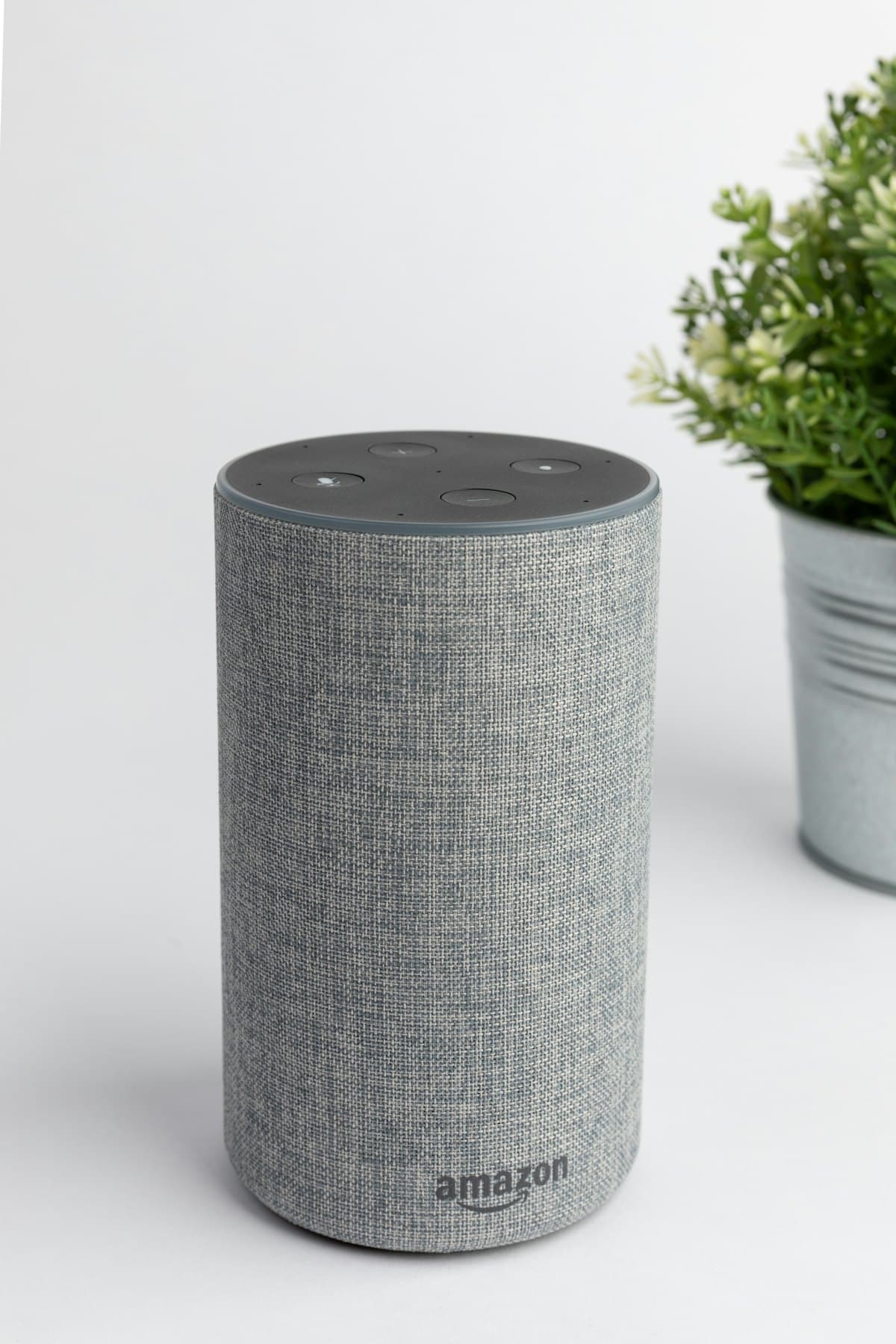
Smart home devices — Amazon Echo, Google Nest, Apple HomePod — can set alarms, timers, and reminders by voice. They're convenient for everyday use. But when the stakes are high (an early flight, a critical meeting, a medical appointment), their reliability profile has meaningful gaps that a dedicated phone alarm call service doesn't share. The comparison is worth making clearly.
What Smart Home Devices Do Well
Smart speakers are excellent for low-stakes, in-room reminders. 'Alexa, wake me at 7' takes two seconds and the alarm works reliably in normal circumstances. Voice recognition is fast, the interface is frictionless, and for daily routines with low consequences for failure, they're a perfectly good tool.
They also integrate with calendars, weather forecasts, and music — a wake-up routine that plays your morning playlist and tells you the weather is genuinely pleasant. For people who wake up easily and don't travel, a smart speaker alarm is usually adequate.
Where Smart Home Devices Fall Short
The first limitation is location dependency. Your Echo or Nest Hub is in your bedroom — or wherever you placed it. When you're in a hotel, a hospital, staying at someone else's home, or even just sleeping in a different room, the device isn't there. A phone alarm call service follows your mobile number wherever you go.
Power and internet dependency is the second gap. Smart speakers require mains power and a working Wi-Fi connection. A power cut overnight, a router reboot that drops the connection, or a scheduled firmware update that reboots the device can all silently disable the alarm. Phone calls operate over the mobile network independently of your home broadband.
Volume and sleep-through risk is the third issue. Smart speakers typically play at room volume, which is easy to learn to sleep through — exactly the alarm habituation problem that affects all static-volume sound sources. A ringing mobile phone is louder, more insistent, and activates a different neural response.
Why a Phone Alarm Call Service Is More Reliable
A phone alarm call service like ReminderIt calls your mobile number directly. The call travels over the cellular network, so it doesn't require home Wi-Fi or mains power. You can be anywhere in the world and the call still arrives at the scheduled time.
The ringing of an incoming call is processed by the brain as a social signal — someone is calling. This creates a stronger arousal response than an alarm tone, which the brain classifies as environmental noise. Most people answer a ringing phone even when very tired; far fewer get up for an alarm.
ReminderIt also lets you include a custom spoken message — 'Flight departs at 06:45, you need to leave by 04:30, taxi is booked' — which provides context immediately on waking, when cognitive clarity is lowest.
For everyday use, your smart speaker is fine. For the mornings where failure isn't an option, a phone alarm call service is the more reliable choice.
Put it to work
More articles
Reminders that actually reach you
A real phone call at the moment that matters — with a WhatsApp message if you miss it.
Get started freeNew to call-based reminders? Read the complete guide to reminders that actually work.