June 26, 2026 · 4 min read
Phone Alarm Call Service for People Over 65
For people over 65, a phone call is the most accessible and reliable reminder format — no app, no screen, no technology learning curve needed.
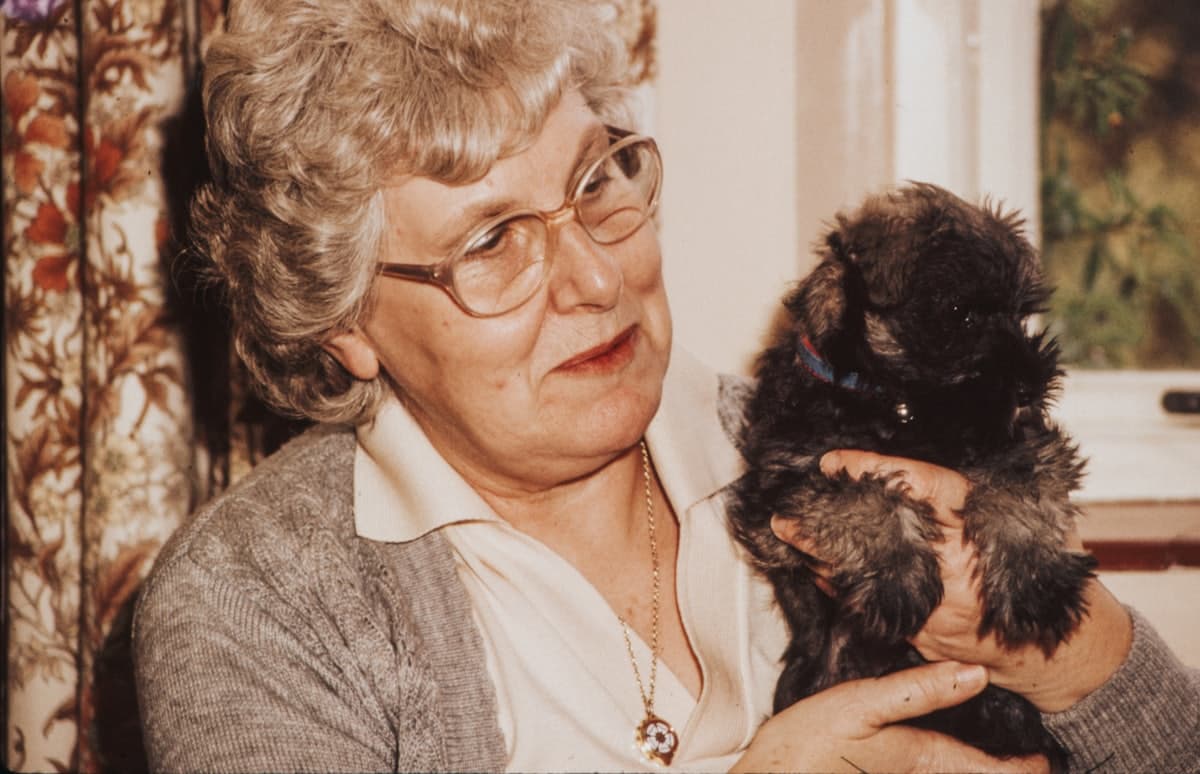
Adults over 65 are the group most likely to be managing multiple medications, most likely to be living alone, and most likely to benefit from consistent daily reminders. They are also the group least likely to be comfortable with smartphone apps, most likely to use a landline as their primary phone, and most likely to find app-based reminder systems impractical. A phone-call alarm service that works on any handset, requires no technical knowledge, and delivers a spoken message in plain language is the right fit.
Why Phone Calls Work Best for This Age Group
The telephone is a familiar technology for adults who grew up before the smartphone era. Answering a phone call is a practised, automatic behaviour that requires no learning, no navigation, and no visual attention to a screen. This makes phone calls significantly more accessible than apps, smart home devices, or text message reminders for many older adults.
Cognitive decline — whether mild age-related changes or more significant impairment — affects the ability to learn and navigate new technology. A phone call delivers the reminder without requiring any new behaviour from the recipient. It rings, they pick up, they hear a clear spoken message. The same interaction they've had their whole life.
For older adults with vision or dexterity difficulties, reading a screen notification or pressing the right button to dismiss it can be genuinely challenging. A phone call bypasses all of this.
Common Use Cases for Older Adults
Medication reminders are the most common and clinically significant use. Older adults typically take more medications than any other age group — the average person over 65 takes five or more prescribed drugs. Managing multiple medication windows with different timing requirements relies heavily on memory that age-related changes progressively impair.
Meal and hydration reminders prevent the nutritional decline and dehydration that are disproportionately common in older adults living alone. Appetite and thirst perception both reduce with age; without an external prompt, meals and fluid intake are easily reduced below adequate levels.
GP appointment reminders, hospital appointment notifications, and welfare check-ins from family members can all be delivered as scheduled phone calls. For family members at a distance, setting up daily check-in calls for an elderly parent or relative provides peace of mind and consistent support.
How Family Members Set This Up
At reminderit.com, family members enter the elderly relative's phone number (mobile or landline), choose the reminder times, and write clear, simple spoken messages. Short sentences, plain language, and specific instructions work best: 'Good morning, time to take your morning tablets', 'Lunch time — have you eaten today?', 'Your GP appointment is tomorrow at 10 AM.'
The relative needs no technology beyond their phone. There is nothing to set up, nothing to learn, nothing to remember — the call simply arrives.
Free to start. No subscription required. Works on any UK or international number.
Put it to work
Filed under Wake-up calls — browse all topics.
Related articles
Reminders that actually reach you
Text ReminderIt on WhatsApp. At the moment that matters you get the reminder on WhatsApp and as a real phone call. 7 days free, no card.
New to call-based reminders? Read the complete guide to reminders that actually work or see pricing.