September 19, 2026 · 6 min read
Never sleep through a meteor shower or eclipse again
Meteor showers, eclipses and space station passes happen at fixed times, often late at night. Plan the night and get a call when it's time to look up.
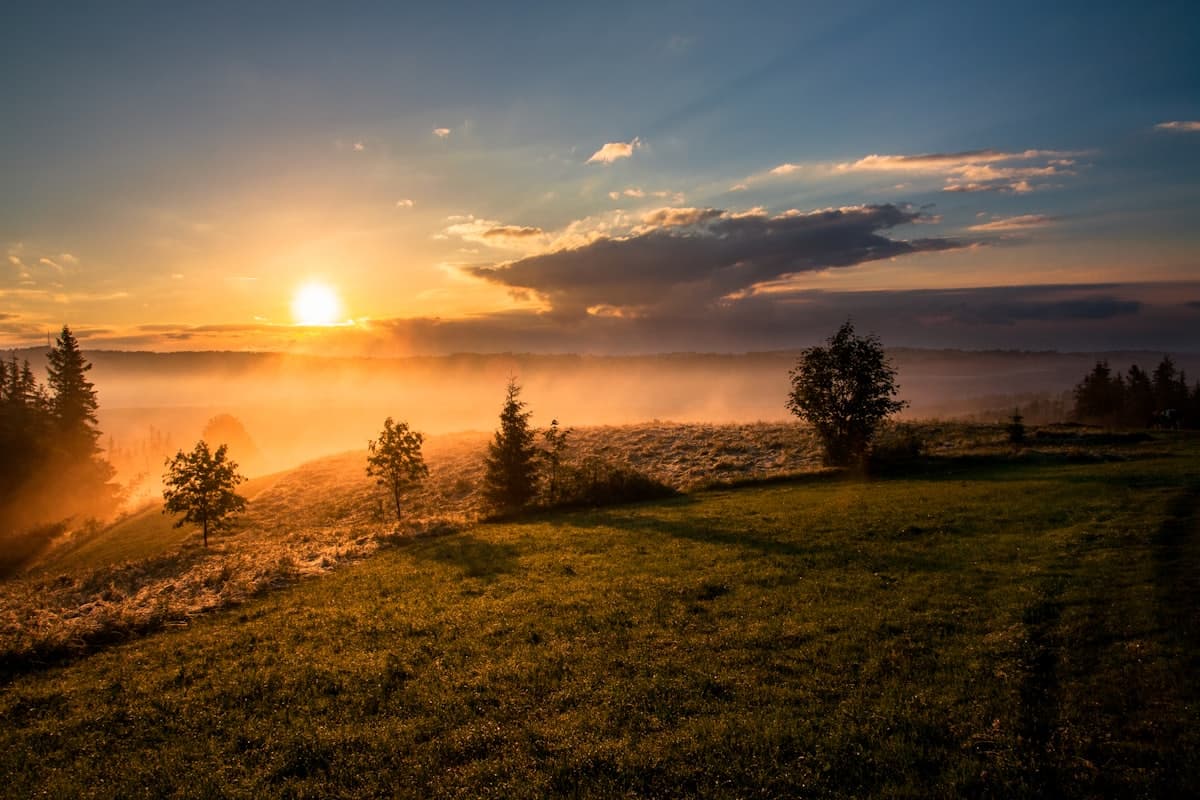
You read about it the next morning: a spectacular meteor shower, a bright pass of the space station, the planets lined up low in the evening sky. Everyone's sharing photos. And you slept straight through it, even though you'd seen the article about it a week earlier and thought "I must look out for that."
Sky-watching has a timing problem. The best moments are fixed to a particular night and often a particular hour, sometimes in the small hours. They don't wait for you, and they rarely come with any warning on the night itself.
Why night-sky events are so easy to miss
A few things make these events uniquely slippery:
- They're announced early. You often hear about a meteor shower or eclipse days or weeks ahead, which is long enough to forget.
- The best time is often inconvenient. Many meteor showers are best after midnight, when the part of the Earth you're on is facing into the stream of debris.
- Some events are brief. A bright pass of the International Space Station can be over in a few minutes.
- Weather decides at the last minute. You may not know until the evening whether the sky will be clear.
- Moonlight matters. A bright moon can wash out fainter meteors, so the best night isn't always the one you'd assume.
What's worth getting up for
Different events have different rhythms. A rough guide:
- Meteor showers happen at roughly the same time each year. Well-known ones include the Perseids, which peak around mid-August, and the Geminids, which peak around mid-December. Exact peak nights and times shift a little each year.
- Eclipses are rarer and depend completely on where you are. A lunar eclipse is visible from anywhere the moon is up; a solar eclipse may only be visible along a narrow path.
- Space station passes happen often, but visible passes at a good time for you come and go in spells.
- Planets and conjunctions, when planets or the moon appear close together, can be lovely and easy to see, even from a city.
- Full moons and supermoons are simple, beautiful and good for introducing children to the sky.
Use a reliable astronomy calendar, a local astronomy society, or your national space agency's website to find exact dates and times for where you live. Don't rely on a headline that may be written for another part of the world.
Plan the night in advance
Once you've picked an event, plan it like a small outing:
- Find the time in your local time zone, not the time in the article.
- Choose a spot. Somewhere with a wide view and as little light as possible. A garden, park or nearby field may be enough.
- Check the moon. If it's bright, look for a darker window earlier or later in the night.
- Plan for the cold. Even summer nights get chilly after midnight when you're sitting still.
- Let your eyes adjust. Allow around 20 minutes away from bright screens. Dim your phone right down.
- Have a weather check-in. Look at the forecast in the early evening and decide then.
Sample reminder wording
Because each event happens once, one-off reminders at a date and time are the right fit. A small set works well:
- "Remind me on 11 August at 6pm: Perseids tonight. Check the forecast, charge the camera, find the blankets."
- "Remind me on 12 August at 12:30am: get up for the meteor shower. Warm jacket, no phone brightness, garden chair."
- "Remind me on 7 March at 7:45pm: space station pass at 7:52, low in the west."
For showers that return every year, the simplest approach is to set a one-off reminder for next year the morning after this year's, so you don't have to rely on remembering it in twelve months: "Remind me on 1 August next year at 9am: look up the Perseids peak date and set the night-before reminder."
If you're working on a hobby like astrophotography and want to practise regularly, a repeating reminder can help too: "every Friday at 9pm, check the forecast for a clear night this weekend."
Making it fun with kids
Sky-watching can be a brilliant shared memory. A few tips for families:
- Choose events at a sensible hour for younger children, like a bright planet or the space station after dark.
- For late-night events, nap first, and pick a night without school the next day.
- Bring snacks and a flask of something warm.
- Make it a game. Count meteors, or have a small prize for spotting the first one.
- Keep expectations gentle. Some nights are cloudy or quiet. Even then, looking up together is worth it.
A sky-watcher's night checklist
- Event date and local time checked with a reliable source
- Moon phase and forecast checked the evening before
- Viewing spot chosen
- Warm clothes, blankets or reclining chairs ready
- Phone screen dimmed, or a red light torch
- Reminder set for the evening prep
- Reminder set for the moment to go outside
- Next year's reminder set after the event
How ReminderIt makes sure you're outside at the right moment
A calendar entry for a meteor shower is easy to miss, and an alarm set weeks ahead is easy to forget to set at all. What you really want is something that reliably wakes you, or pulls you away from the sofa, at the right minute.
With ReminderIt you set reminders by sending a WhatsApp message in plain words: "Remind me on 12 August at 12:30am to go outside for the meteor shower." At that moment your phone rings and a natural voice reads your reminder, and a WhatsApp message arrives with Done and Snooze buttons. If you sleep through the first ring, ReminderIt tries once more about five minutes later.
There's also an optional check for reminders set between midnight and 6am. It's off by default, but if you turn it on, ReminderIt will ask before scheduling a night-time call, which is useful for catching an accidental "12:30am" when you meant "12:30pm". For a meteor shower you really do want the middle of the night, so just confirm it.
A few ideas for sky-watchers:
- Set the whole year at once. When you find a list of the year's events, message us each one as a one-off reminder.
- Include what to look for. "Low in the west" or "look north-east" is exactly what you'll want to hear half-asleep.
- Bring a friend. You can add up to five people, like a sky-watching friend or a grandparent who'd love a call to step outside.
The sky puts on a show more often than most people realise. The trick is being outside at the right moment. A well-timed call does that part for you.
Want a call for the next meteor shower? Message us on WhatsApp at https://wa.me/14786061901 and tell us the date and time.
Related articles
Reminders that actually reach you
Text ReminderIt on WhatsApp. At the moment that matters you get the reminder on WhatsApp and as a real phone call. 7 days free, no card.
New to call-based reminders? Read the complete guide to reminders that actually work or see pricing.